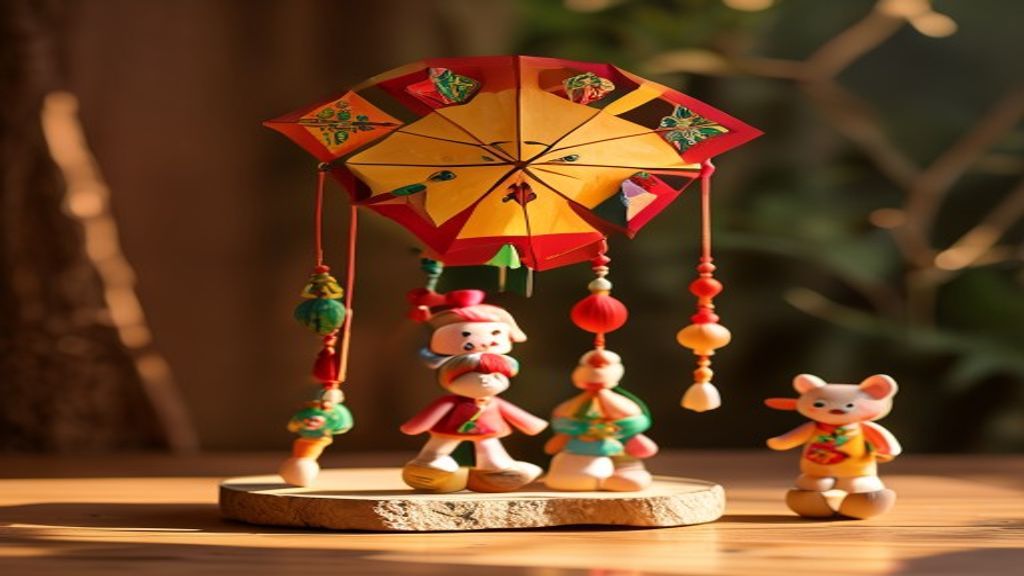
The Chinese kite is one of the oldest flying toys in the world. But it did not begin as a toy. For centuries, kites served soldiers, spies, and scientists before they became a pastime for children.
Early military use
The first Chinese kites appeared more than two thousand years ago. Early records describe wooden kites used for military signaling. Generals could send messages across battlefields or measure distances by flying a kite over enemy walls.
Some stories even claim that spies were flown over fortresses in large kites, though historians debate whether this really happened.
From bamboo to silk
Early kites were heavy and made of wood. Over time, builders began using bamboo for the frame and silk or paper for the sail. This made kites lighter, cheaper, and easier to decorate.
By the Tang dynasty, kite flying had become a popular spring activity. Poets wrote about watching kites rise above the city walls, and painters included them in scenes of leisure.
Designs and meanings
Chinese kites come in many shapes, each with meaning:
- Swallow kites: symbolize spring and good news
- Butterfly kites: represent love and transformation
- Dragon kites: bring power and good fortune
- Centipede kites: long trains of connected sections that represent family continuity
In some regions, people wrote wishes on kites and then cut the string, letting the kite carry the wish to heaven.
Modern kite festivals
Today, kite festivals are held across China and around the world. Weifang in Shandong province is known as the kite capital of China. Every year, thousands of kite makers and flyers gather there to show giant kites shaped like dragons, ships, and animals.
What began as a military tool has become a celebration of wind, color, and human imagination.